
Compassionate Counsel Backed by Decades of Results
WE SPEAK MULTIPLE LANGUAGES
Our wrongful death attorneys bring more than 65 years of combined practice to every case. Recognized by Super Lawyers and America's Top 100 Personal Injury Attorneys, our team has the litigation depth to navigate Maryland's wrongful death laws and fight for the outcome your family deserves.
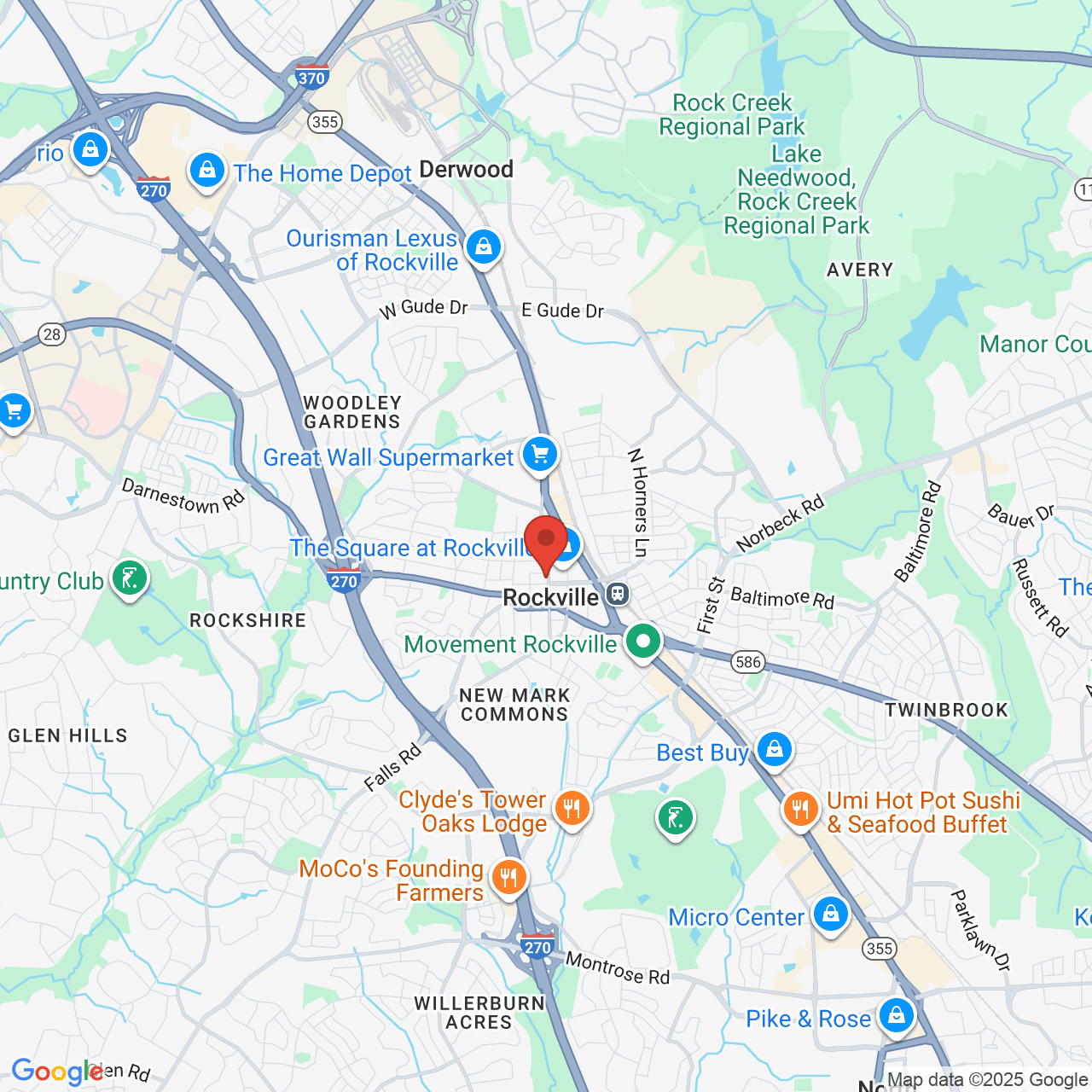
Greenblatt & Veliev, LLC proudly serves the diverse communities of Rockville, Frederick, Prince George's County, and the greater DC metro area. Our staff speaks English, Spanish, Romanian, Azerbaijani, Russian, and Polish, so you can discuss your case in the language you're most comfortable with.
Wrongful death cases are time-sensitive, and grief doesn't follow a schedule. Our personal injury lawyers in Rockville, MD, offer a 24/7 answering service and free, no-obligation consultations, so your family can get answers and guidance whenever you need it most.
The loss of a loved one can be devastating. While legal action may not be on your mind right now, a wrongful death lawsuit can help your family cover funeral expenses, medical bills, and the pain and suffering caused by an untimely passing. If you need a trusted personal injury lawyer in Rockville, MD, our firm serves families throughout Frederick, Prince George's County, Washington, DC, and Baltimore. Contact us today to discuss your case.
I am very pleased with the outcome of my case. Vagif and Mr. Elnur were very professional and always kept good communication with me. If you need a good attorney don't hesitate to call them.
— Bernice, 5-Star Review
Under Maryland law, the surviving spouse, parents, or children of the deceased may file a wrongful death case. If none of those parties are living, blood relatives or those related by marriage may file if they were substantially dependent on the deceased.
If you're unsure whether you're eligible, our attorneys serving Rockville, Frederick, and the greater Washington, DC, area can help you understand your options.
A successful wrongful death claim requires proving that a defendant's negligence caused someone's death. Our attorneys will work to establish four key elements:
Another party is expected to act reasonably to prevent harm. For example, a driver must follow traffic laws to avoid causing a car accident.
A breach occurs when someone fails to act responsibly. In medical malpractice cases, this could mean a physician failing to note allergies or contraindications before prescribing treatment.
The case must show that the breach of duty directly caused the death. Medical records, accident reports, and witness testimony are commonly used to establish this link.
Once liability is established, your attorney can outline the damages your family has suffered. These losses determine the compensation sought in your claim.
Two different claims can be brought against a negligent party following a wrongful death: a wrongful death claim and a survival action. Understanding the distinction matters when deciding how to proceed.
Wrongful death actions are filed by the surviving family members, allowing them to sue for the loss of their loved one. Damages cover emotional anguish, loss of companionship, and loss of support to the household.
Survival actions focus on the suffering the deceased experienced prior to death, similar in scope to a personal injury claim. Damages cover medical bills incurred before death, property damage from the fatal incident, and the decedent's pain and suffering.
Maryland has a three-year statute of limitations for filing a wrongful death or personal injury claim. Once that window closes, you generally cannot seek legal action. Rare exceptions exist for occupational diseases (see our FAQ below). Contact our lawyers as soon as possible to protect your family's right to compensation.
Generally, your relationship to the deceased person will determine if you should file a wrongful death claim or a survival action. Family members and financial dependents will often file a wrongful death claim while an executor for the deceased's estate may instead file a survival action. When you discuss your case with our wrongful death attorneys, we'll help you determine the proper course of legal action to take.
Yes. You can file a wrongful death case after the three-year statute of limitations has passed if a loved one died as a result of an occupational disease. The term "occupational disease" refers to a condition that develops as a result of toxic exposure at the workplace while a person was employed. An example is mesothelioma caused by asbestos exposure at a work site. In cases of wrongful death due to occupational disease, the following statute of limitations applies: within 10 years from the date of death, or within 3 years from the date the occupational disease was identified, whichever comes first.
Yes. Maryland does have a cap on non-economic damages in wrongful death cases. As of 2023, the cap on non-economic damages in wrongful death claims is $935,000 for a single beneficiary. The cap increases annually by $15,000 on October 1st. The presence of multiple beneficiaries and the circumstances of a wrongful death can affect non-economic monetary awards. Our Rockville wrongful death lawyers can discuss these matters in more detail as the litigation process unfolds.
While it may seem like punitive damages would be common in wrongful death claims, they are still quite rare. Before juries can award punitive damages, the state of Maryland requires proof of actual malice, rather than just gross negligence. Proving malice in the death of a loved one can be quite difficult. When reviewing your case, our wrongful death lawyers can help parse the difference between negligence and malice and help provide perspective on what kinds of damages are worth pursuing during the wrongful death lawsuit.
Yes. When a workplace accident results in the death of an employee, the surviving family may be able to pursue a wrongful death claim in addition to workers' compensation death benefits. These are separate legal processes with different requirements and deadlines. If you need an experienced workers comp lawyer in Rockville, MD, our firm can help you navigate both paths and pursue the full compensation your family is entitled to.
Greenblatt & Veliev, LLC provides dedicated legal representation to clients in Maryland, Washington DC, Virginia. Our attorneys have more than 65 years of combined experience in personal injury cases, and use this knowledge to serve you. Our professional affiliations and memberships include:
Contact our offices for a free consultation online, or by calling: (301) 251-8776